
the STAR THEATER
THE ICONIC chinese theater BEING restoreD for FUTURE generations
The 1918 Cantonese opera theater and gambling house in Locke is being restored after decades of decline. Share your passion for history and culture. Help make this dream come true!
A project of Locke Prior Residents Descendants Ascendants (LockePRDA), a 501(c)(3) charity
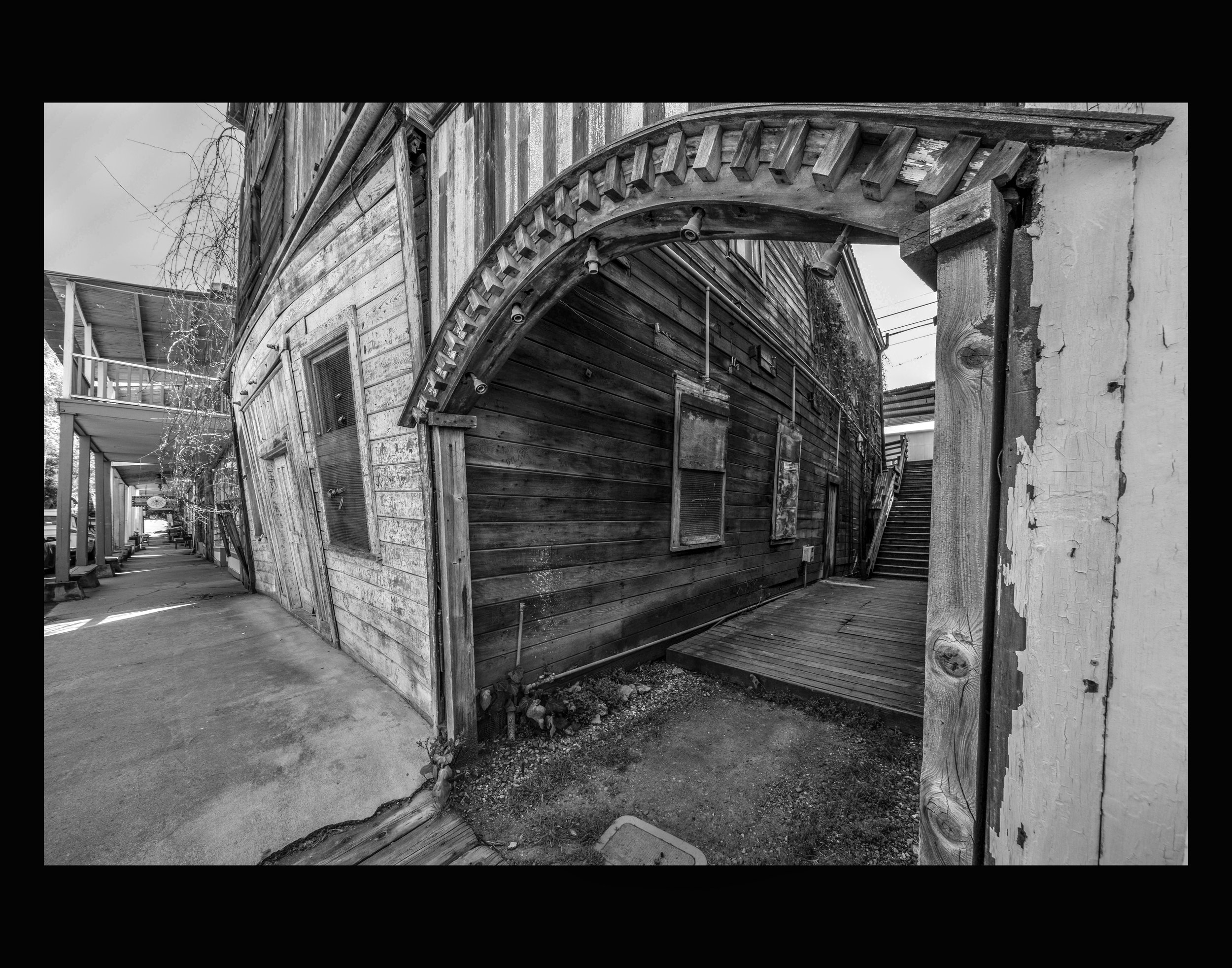
Photo by Jeff Kan Lee
Preserving the Star Theater is not simply about saving a structure. It allows us to tell a fuller, more accurate story of the Chinese community in the Delta. One that goes beyond labor and agriculture to include art, performance, and daily life. It provides a place where visitors can experience that history rather than simply reading about it.
Maryellen Burns, President, Sacramento River Delta Historical Society
This restoration project leads the effort to restore one of Locke’s fragile historic structures. Without sustained investment, irreplaceable buildings and stories risk being lost forever. The project is working to enrich the Sacramento River Delta and the broader Sacramento region honoring California history, supporting heritage tourism.
Stuart Walthall, President, Locke Foundation
Vision for the star theater
A multi-purpose community gathering space for ART, EDUCATION, CULTURE THROUGH events, movies, performances, cultural activities, exhibits, demonstrations, lectures, workshops, classes, conferences, meetings, community meals, programs for every Locke resident - young, old, and inbetween, special events, exercise sessions, reunions, tutoring, coffee shop, special family gatherings, watching sporting events together. WHATEVER the community needs…
a building which will be used and enjoyed everyday and thrive with the attention.
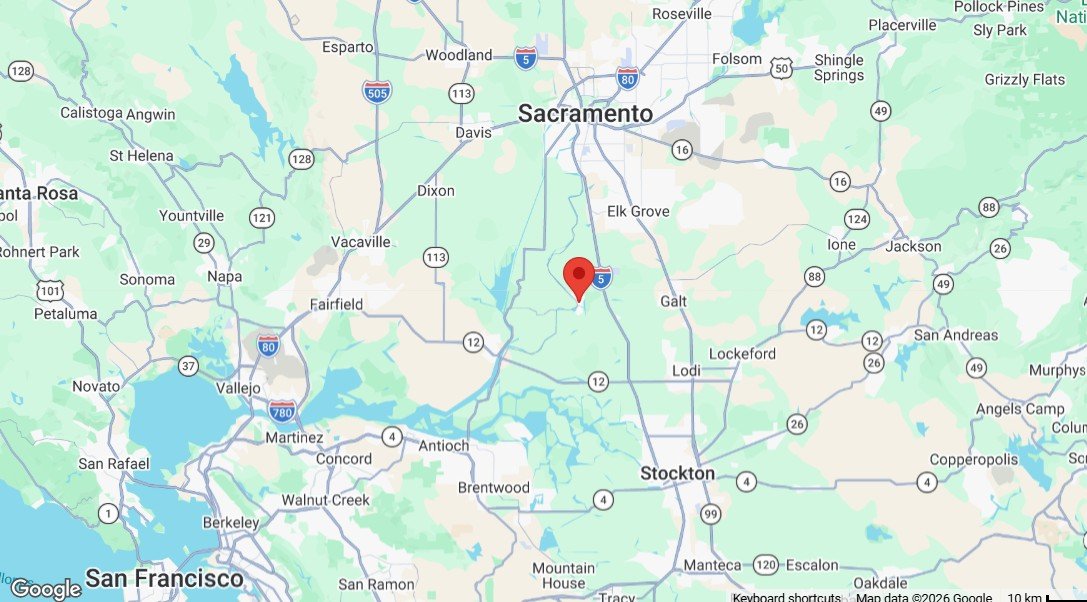
the backstory of locke ca:
The Chinese came to America in 1849 for gold. When gold mining dwindled, white miners blamed the Chinese for taking “their” gold and drove them out of the foothills with violence.
The Transcontinental Railroad project recruited this unemployed Chinese workforce and recruited even more directly from China. Ninety percent of the labor that built the western section of the transcontinental railroad was Chinese. In 1869 at Promontory, Utah, the Transcontinental Railroad was completed and the Chinese laid off.
In the 1850s-1860s, federal Swamp Land Acts gave federal wetlands to the states for free as incentive for economic development and homesteading. California legislation limited the land “giveaway” ($1/acre) to US citizens. The Naturalization Act of 1790 limited US citizenship to “free white persons” - Chinese were not “free white persons” and could not become naturalized citizens. The 1882 Chinese Exclusion Act, Section 14 reads: That hereafter no State court or court of the United States shall admit Chinese to citizenship; and all laws in conflict with this act are hereby repealed.
The Chinese again became the major labor workforce and manually reclaimed (drained) 500,000+ fertile acres stretching from Sacramento to the San Francisco Bay using wheelbarrows, buckets and hand tools; they were paid 5 cents a cubic yard. Some of these laborers stayed on working as agricultural laborers and tenant farmers.
In every town of the newly reclaimed California Delta had a Chinese/Asian population, including Walnut Grove with the largest Chinatown.
In 1909 the Jack Ross Boardinghouse (now, Locke Boarding House Museum) was built in Lockeport for migrant agricultural laborers (mainly Japanese and Filipino). By 1912, three Chinese merchants had relocated from Walnut Grove and Vorden and built in Lockeport. Lockeport then consisted of a Southern Pacific packing shed and wharf on the Sacramento River. Chan Tin Sin erected the first building - a dry goods store and beer saloon. Yuen Lai Sing built a gambling hall. Owyang Wing Cheong built the Lockeport Hotel and Restaurant.
In 1915 Walnut Grove’s Chinatown “accidentally” burned down. “The fire started through the overturning of a coal oil stove in Chinatown. A sudden shift in the wind saved the remainder of the town.” (Lodi News Sentinel, Oct 7, 1915.)
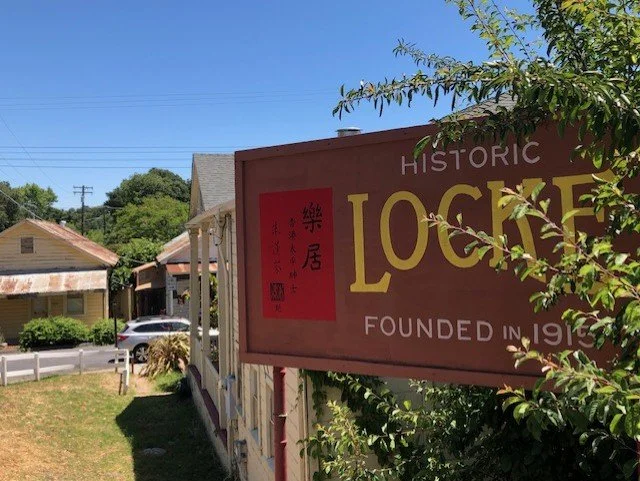
The Walnut Grove Chinese from Toishan County of Guangdong, China stayed and rebuilt in Walnut Grove. Those from Heungshan County (Zhongshan, Jungshan) moved one mile north and built on nine acres rented from George W. Locke in Lockeport. The town later became “Locke” which in the local Cantonese dialect is “LOC-Kee” or “happy place.” The Chinese could only build on “rented” land because the 1913 California Alien Land Law prohibited “aliens ineligible for citizenship” from owning land in California (California Supreme Court declared the law unconstitutional in 1952.) The Naturalization Act of 1790 limited naturalization to become US citizens to “free white people.” The Naturalization Act of 1870 extended US citizenship to “aliens of African nativity and persons of African descent.” The 1882 Chinese Exclusion Act declared “no State court or court of the United States shall admit Chinese to citizenship” and any violation was a misdemeanor punishable with up to 5 years in prison and/or $1000 fine.
The Chinese from Walnut Grove established Locke - a Chinese town - with all the amenities of a self-sufficient community including grocery stores, dry goods, cafes, gambling, brothels, boarding houses, homes, school, herb shop, fish market, clothing store, church, cobbler and a theater. In addition to houses, there was the New Canton Hotel and seven other buildings in the little hamlet.
Locke was their safe haven from the anti-Chinese violence everywhere else.
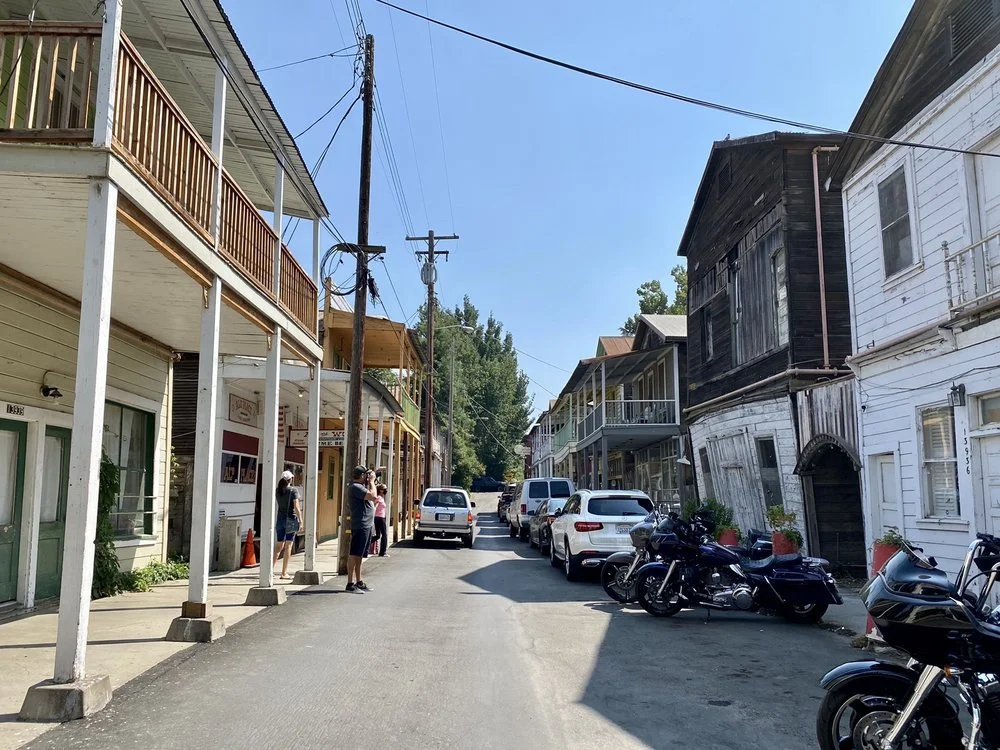
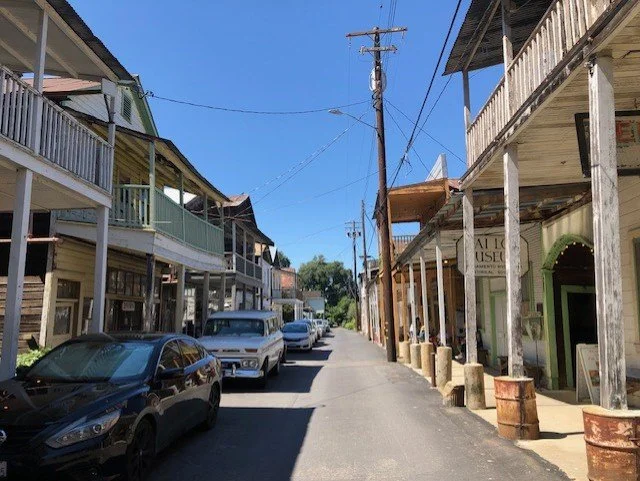
the star theater
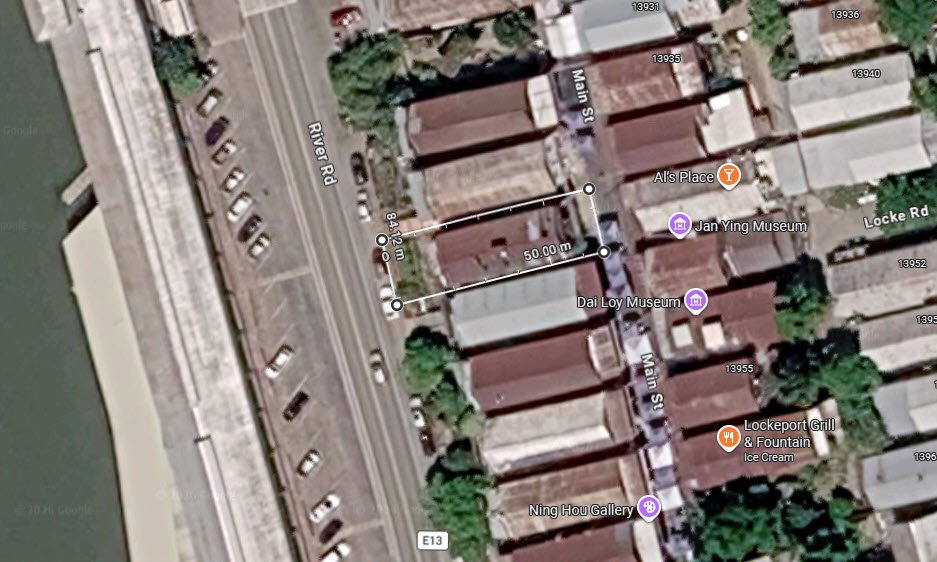
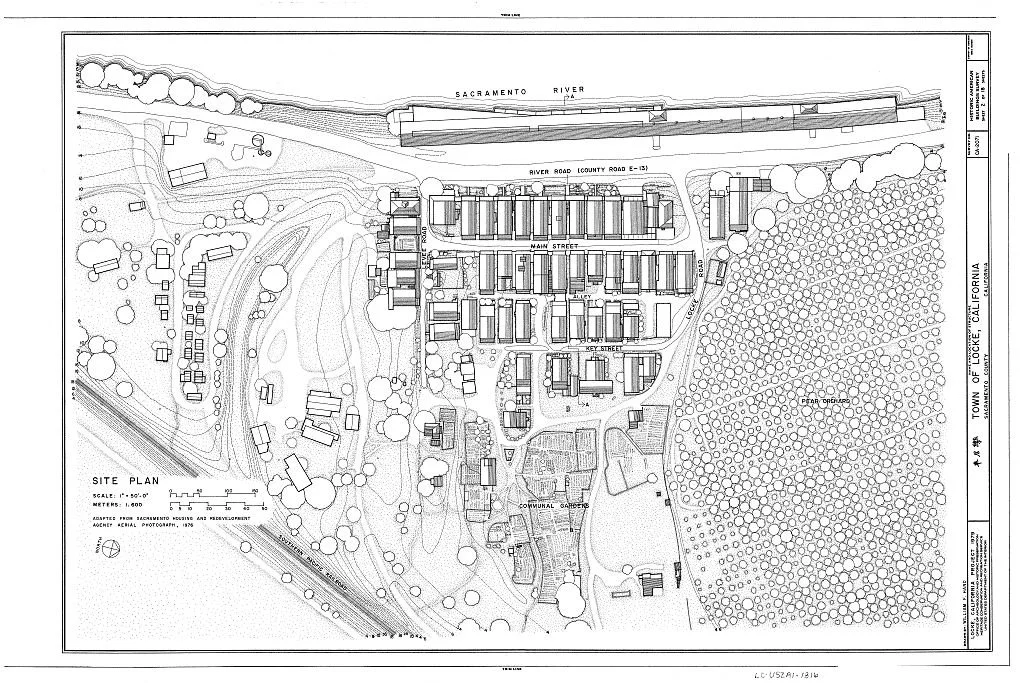
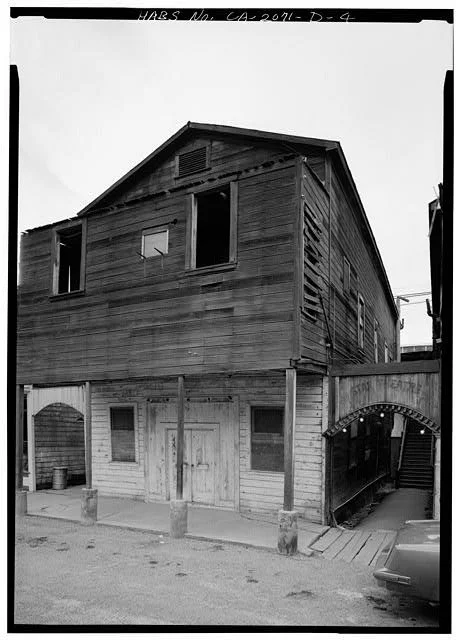
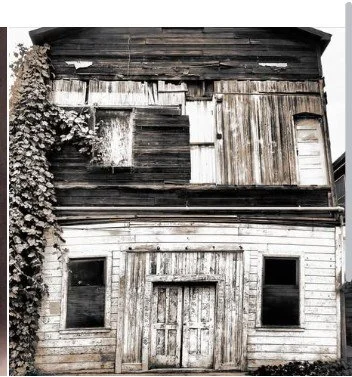
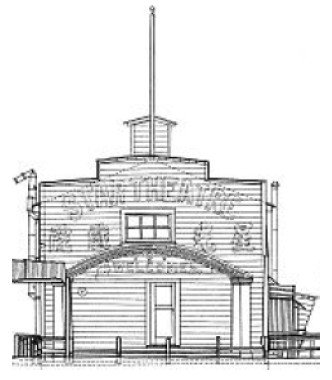
Built in 1918 for Kai Chan by Mr. Suen (Harold Suen’s father), a carpenter. The Star Theater hosted Cantonese opera troupes and other traveling entertainers. The theater entrance on River Road (Highway 160) had the decorative denticulated (square wood block detail) arches with lights, bold “Star Theater” signage in English and Chinese, and “Welcome” on its facade. The Main Street level was always a gambling house.
Bringing Cantonese opera into Locke was not economically feasible and Mr. Chan tried showing black and white movies which also did not bring in enough revenue.
The demand for housing and “other entertainment” prevailed and The Star Theater was modified into a boarding house/brothel.
The Main Street space continued to be a gambling hall until the 1950’s when gambling became illegal in California. Thereafter it was rented out for commercial storage to Al the Wops restaurant (across the street) and Hoy Kee Shoong pool hall/soda fountain (next door.)
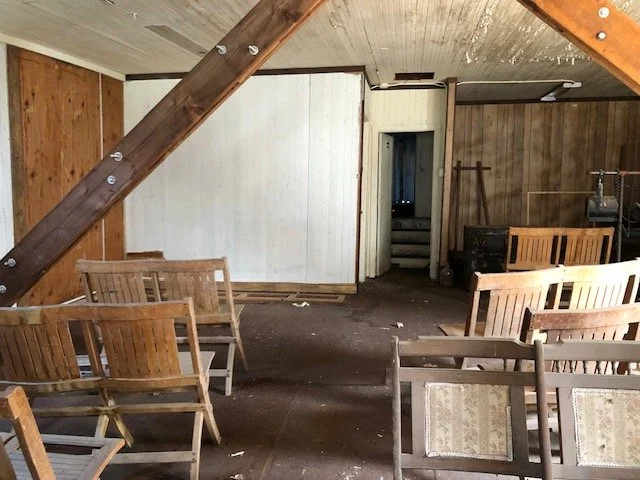
THE star THEATER FLOOR
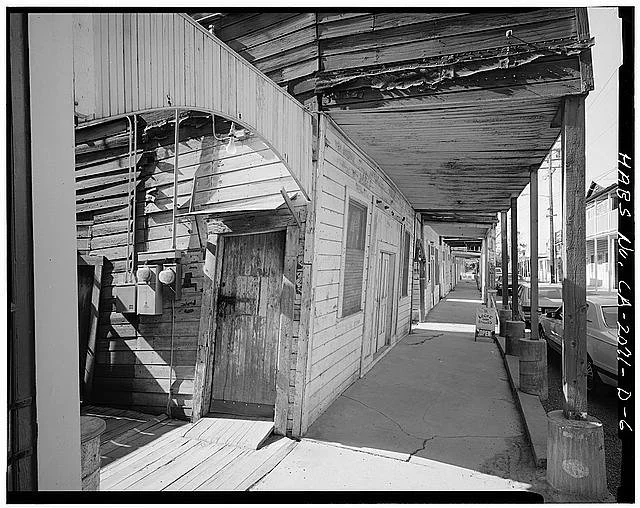
Second floor: The entrance to the second floor is through a doorway on the west facade, which leads into a small vestibule. There is a large opening that is filled in with beaded board wooden siding which was probably the ticket window. There is a doorway in the center of the vestibule on the east wall leading down one step into a room that was proably the lobby. There is a small room on the south of the lobby that has a doorway on the south with a stairway leading up to the third floor. There is a narrow hallway down the center with three rooms on the north side and five rooms on the south side. A doorway leading up three steps to the former stage, opens into a more narrow hall which has two rooms on each side. The eastern room on each side is the enclosed balcony above the sidewalk. The stage floor nosing is visible in the room and has had the opening filled in with boards.
Source: Historic American Building Survey, HABS No. CA-2071 D, 1979
“third floor” of the star theater
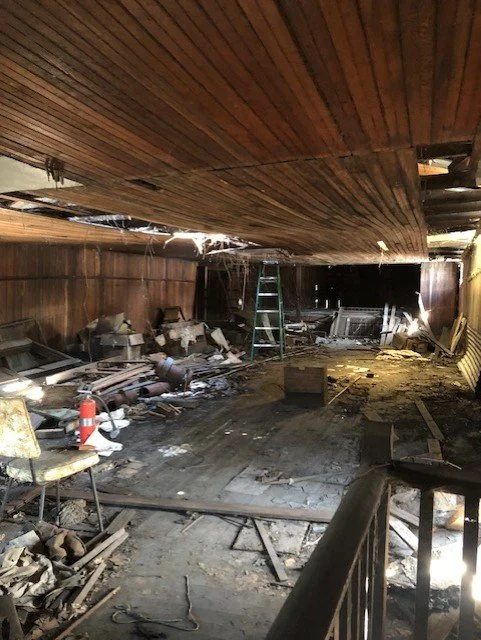
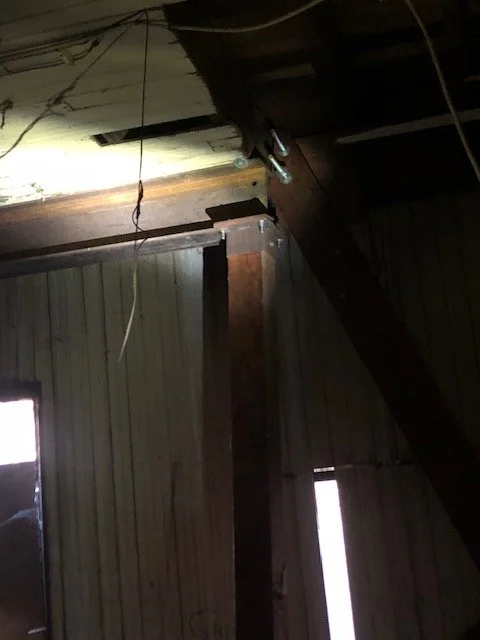
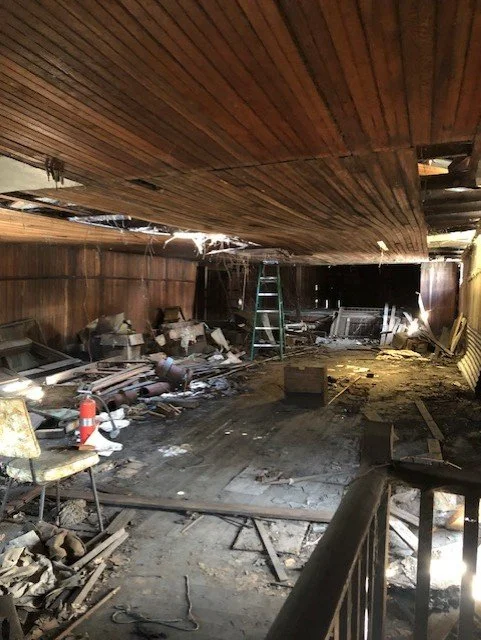
Third floor: The third floor is one large room across the entire building. At the east end there is a slight step up which indicates the top of the proscenium. (Proscenium is the architectural frame/arch in a theater which separates the stage from the auditorium.) There is also a change in direction of the flooring at the west end to indicate that there was a small third floor across the front only. Further indication of the center section being filled in at a later date is the fact the floor joists are not spported on the studs, but only toe-nailed into the wall paneling extending through the wall uninterrupted.
Source: Historic American Building Survey, HABS No. CA-2071 D, 1979 (Library of Congress)
The takeaway - a ceiling was added in the original theater headspace, creating a “third” floor, probably for living space because bed box springs have been found on the “third floor.”
chinese skywell
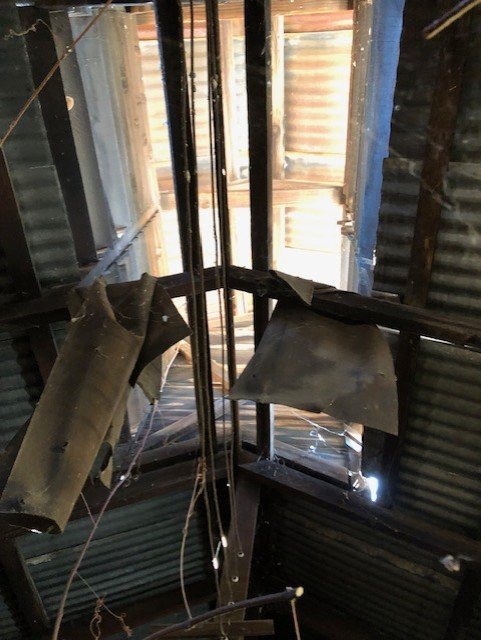
Like the Dai Loy Gambling Hall across the street on Main Street, The Star Theater has a Chinese skywell (tian jing), a traditional southern Chinese architectural feature dating back to the 1300’s. Skywells are also known as “stacked effect” or “chimney effect” ventilation. Intentionally designed to bring air and light into the building and to increase air ventilation out of the building, through the roof, because heated air naturally rises. Skywells are a no-carbon footprint air conditioning system which supplements Delta breezes coming from the Pacific Ocean through the Golden Gate Bridge, into the Delta and beyond with its cooling effect.
the star theater ownership in transition
1918 - The theater was built in 1918 for Kai Chan, the original owner. Chan tried to make money bringing Cantonese Chinese Opera and other entertainers to the theater, then he switched to showing black and white movies. He returned to China with his family because of health concerns, leaving Cheung Yow, his daughter’s ex-husband in charge. In June 1951, Kai Chan returned and found the theater had become a brothel. Gambling was outlawed in the early 1950s, so the Main St. gambling hall was shut down. That space was then rented to Al the Wops restaurant and to Hoy Kee Shoong (pool hall/soda fountain) for storage. Lucky Chan (Kai Chan’s son) and his sister, unaware that they were behind in rent, lost the building to George Locke for a $20 debt.
July 1977 - Locke Property Development Company (aka Clarence Chu and family) purchased 500 acres of pear orchards and the land under the town from George Locke’s estate, and in the deal also received ownership of the Chinese school, The Star Theater and a garden parcel. At some point, Chu pulled down some boarding house room walls which had been built in the theater space and opened his Locke China Imports store there. He later moved that store to another building on Main St.
1990s-2000s - Sacramento Housing and Redevelopment Agency (SHRA) offered $250K for The Star Theater, but that offer was declined.
2001 - Chu’s company sold 10 acres of central Locke to SHRA so that SHRA could secure a grant to replace Locke’s sewer system and subdivide the land into parcels to sell to building owners.
December 2004 - SHRA sold lots to 20 Locke home and business owners.
2005 California State Parks hoped to buy and restore both The Star Theater and Sam’s Boarding House, but the state only had the budget for the Boarding House project. In 2008, the Boarding House Museum opened.
February 20, 2008 - George Heiner bought The Star Theater from Chu for $50,000. In 2016, Heiner died intestate (without a will). In 2019, The Star Theater was offered to the Locke Foundation for $75,000.
2022 - Sacramento County Superior Court settled Heiner’s probate confirming ownership of The Star Theater to Heiner’s daughters.
2025 LockePRDA entered a contract to buy The Star Theater from the Heiner heirs for $80,000.02.
August 13, 2026 Escrow finally closes and LockePRDA now owns the theater!
locke and the star theater’s HISTORIC DESIGNATIONS
1971 - town of Locke placed on the National Register of HisTORIc Places
1990 - town of Locke designated as a National Historic Landmark
2019 - the delta is desIGNATED as the SACRAMENTO-SAN JOAQUIN DELTA NATIONAL HERITAGE AREA (US NATIONAL PARK SERVICE)
WHAT DOES THE STAR THEATER NEED?
FRANKLY, EVERYTHING.
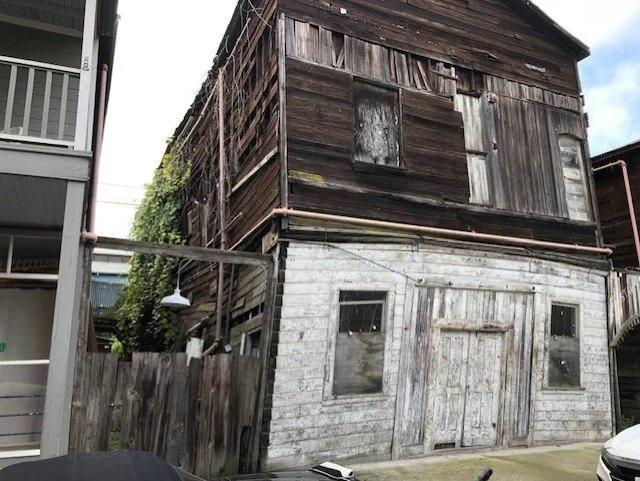
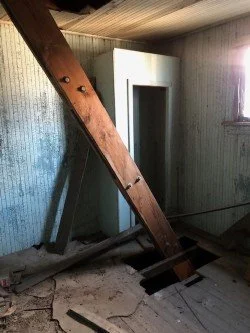
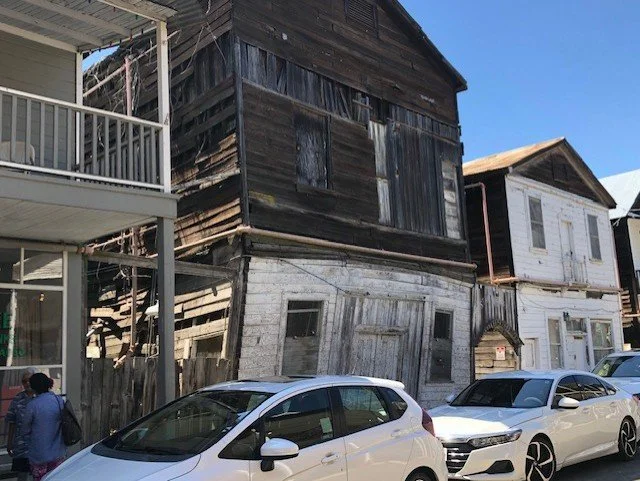
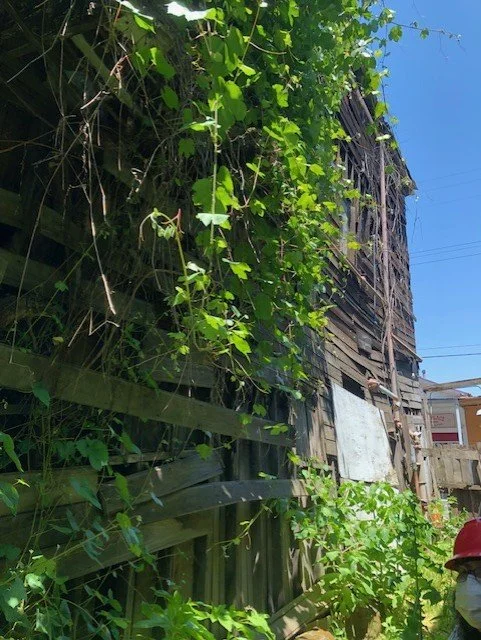
FOUNDATION: The building is LEANING. stabilization work 30 years ago was never COMPLETED; even a steel i-beam is twisting. the building needs a real foundation and leveling. a structural engineer, geotechnical (soil) engineer and an architect are needed.
new roof (hopefully PV) - metal roofing panels are missing and REGULARLY fly off WITH THE WIND. THE ROOF LEAKS. mushrooms grow ON THE THIRD FLOOR.
internal fire suppression system to complement the county’s external system previously installed on 11 main st. buildings.
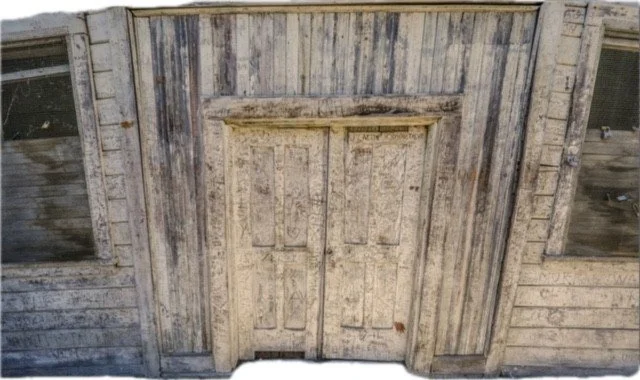
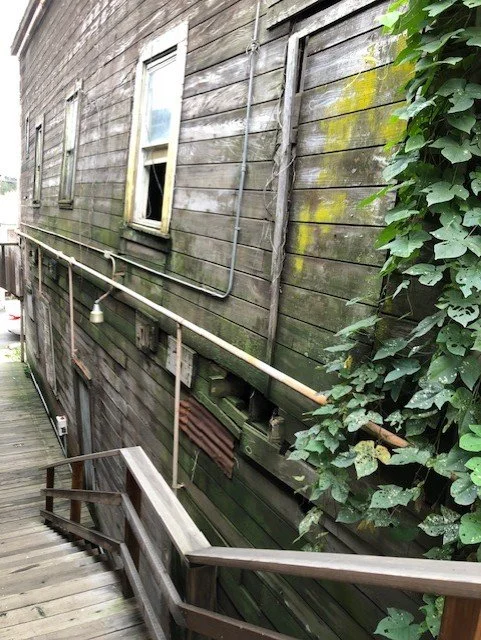
exterior walls: MISSING Wood drop sliding allows birds, cats and vines to ENTER, but there is lots of natural air conditioning.
interior stairs and elevator WOULD improve assessibility and connect the GROUND floor to the theater level.
NEW electrical system WITH UPGRADING.
new plumbing. there IS ONE TOILET, THE REMANENTS OF A KITCHEN can be FOUND on THE MAIN ST./GROUND LEVEL.
insulation IS NEEDED as well as appropriate hvac equipment.
new energy efficient windows.
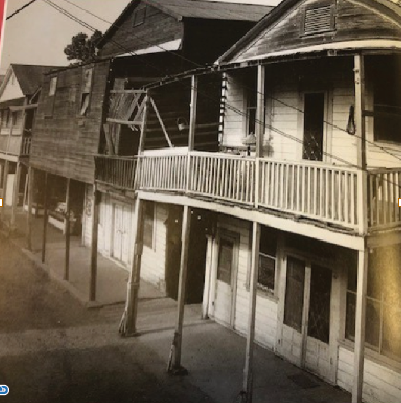
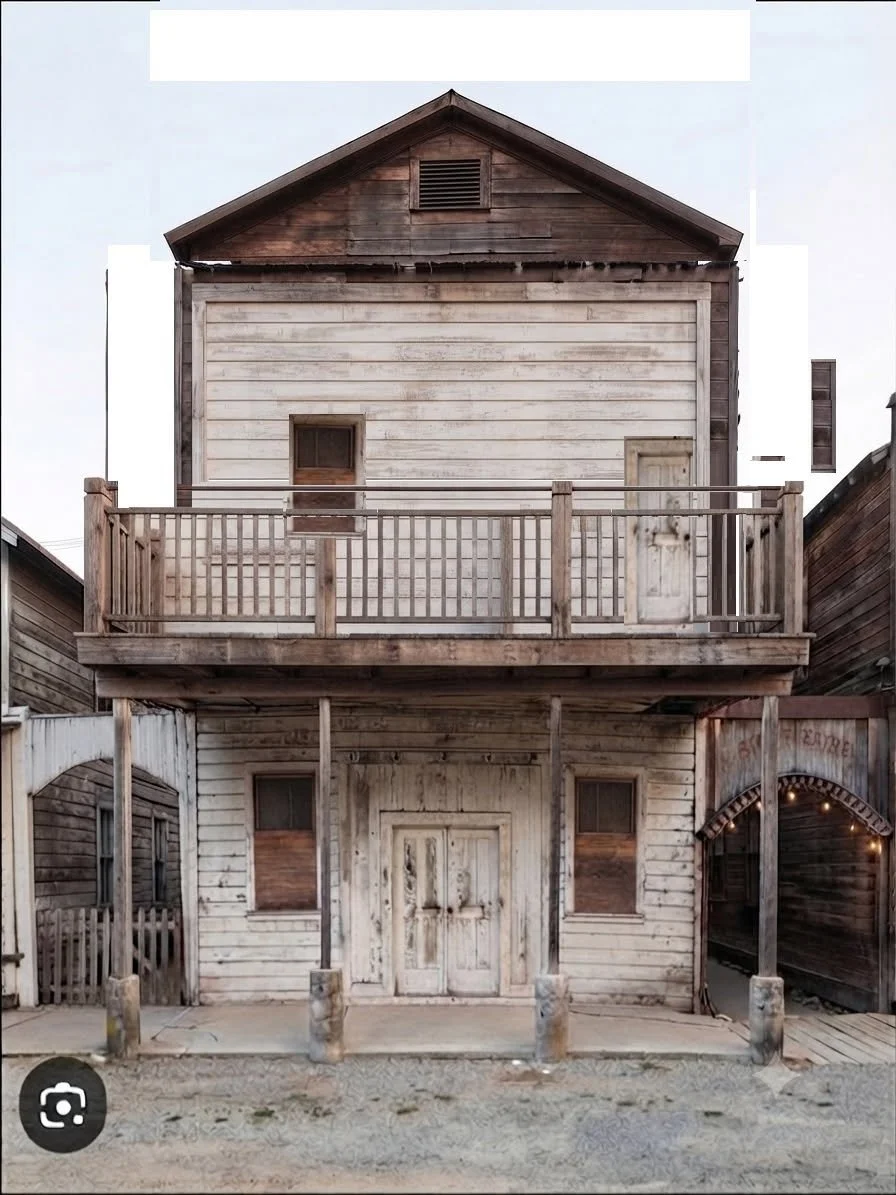
second floor balcony on the main st. side should be restored TO MATCH OTHER MAIN ST. BUILDINGS’ BALCONIES.
hopefully the WOOD FLOORS, BEAD BOARD CEILINGS AND WALLS are SALVAGEABLE. the old growth redwood timber may also still be stable AND SOLID. can the original wood decorative features can be saved?
Start Your Next Adventure
SEPTEMBER 10-13, 2026 - 2026 NATIONAL APIAHiP FORUM “Emerging Historic Places, Centuries in the Making” has included The Star Theater on the panel “Remembering Lost Chinatowns Across the United States.” History Colorado Center, downtown Denver (Denver/Aurora, CO). APIAHiP is Asian & Pacific Islander American Historic Preservation. Info: www.apiahip.org
SELF GUIDED TOURS OF LOCKE - Visit historic Locke anytime, any day, regardless to the weather. Tour information pamphlets are available at the Boarding House Museum and several of the museums.
LOCKE FOUNDATION DOCENT TOURS - These 90 minute guided tours can be reserved for a minimum of 10 people. Chinese language tours are also available upon request. Contact 916-776-1684 or 916-776-1828, or email lockefoundation1915 @gmail.com. Fee: $7/adults, $5/students and seniors. Tour will include the Boarding House Museum, Chinese School Museum, Dai Loy Gambling House Museum (Dai Loy means “big-come” or “welcome”), Jan Ying Benevolent Association Museum (Jan Ying means “capable/handsome hero”) and the Demonstration Garden.
CALIFORNIA STATE PARK BOARDING HOUSE MUSEUM, 13916 Main St, Locke. Check https://www.parksca.gov for hours. Park staff lead Locke walking tours every 3rd Saturday 12-noon starting from the Boarding House. Free.
In addition to the star theater project, YOU CAN HELP SAVE LOCKE:
Sacramento County created the Locke Management Corporation Association (LMCA) to manage Locke.
To remedy the economic disparity caused by the 1913 California Alien Land Law, LMCA is required to inform Locke residents (current, descendants, ascendants) and other interested parties when Locke properties come on to the market for sale. Before any property is sold, LMCA can exercise its “right of first refusal” to buy the property itself.
LockePRDA encourages others to consider influencing or taking on the ownership of these historic properties and invest generously to ensure that historic Locke retains its Chinese heritage.
To be notified of properties available for sale, email your request to lockelma@gmail.com
Locke Prior Residents Descendants Ascendants formed as a 501(c )(3) charity in 2022 to:
Preserve history and educate future generations about the significance of Chinese American experience
Advocate for landownership rights of former and present Locke residents
In 2024, LockePRDA and Locke Foundation Oral History Project premiered their oral history documentary film “Voices: Chinese Women of the Delta.” The film has been shared with audiences throughout California and more showings are being scheduled.
In 2025, LockePRDA purchased The Star Theater carrying forward this mission to preserve Locke and its history.
LockePRDA directors include: Carol L. Lee, Jeff Kan Lee, and Pattie Fong.
Preserving the past.
Educating the future.

Locke prior residents descendants ascendants
(lockeprda)
Let’s Work Together to restore the star theater
This project is expected to take 3-4 years to get a certificate of occupany and insurance making The Star Theater available for community activities. Contribute your tax-deductible expertise and donations to LockePRDA’s building fund.
Donations (tax deductible) can be made by check or money order payable to “LockePRDA” and mailed to 13939 River Road, Locke CA 95690. Or use the donation button below (Paypal 1.9% charity-rate fees will be charged to LockePRDA.
An AI interpretation of The Star Theater with a restored Main St balcony ...
Donate here online by pressing the “donate” button AND EMTERING YOUR INFORMATION.
THANK YOU FOR YOUR SUPPORT.
Why Give?Make a Difference
Your donation helps to achieve the goal to revive The Star Theater into a space for art, culture, and education.
Be Part of the Solution
It takes a community of people working together to accomplish great feats.
Inspire Others
Your generosity will motivate friends, family, and colleagues to also contribute in this project to preserve and share this piece of history.
.